New European guidance and Danish research can help Denmark restore life in the sea
New guidance drawing on four years of European research and major contributions from the project MPA4Sustainability, led by DTU Aqua, highlight how science can help Denmark prepare its national coastal restoration plan and deliver the greatest benefits for marine biodiversity.
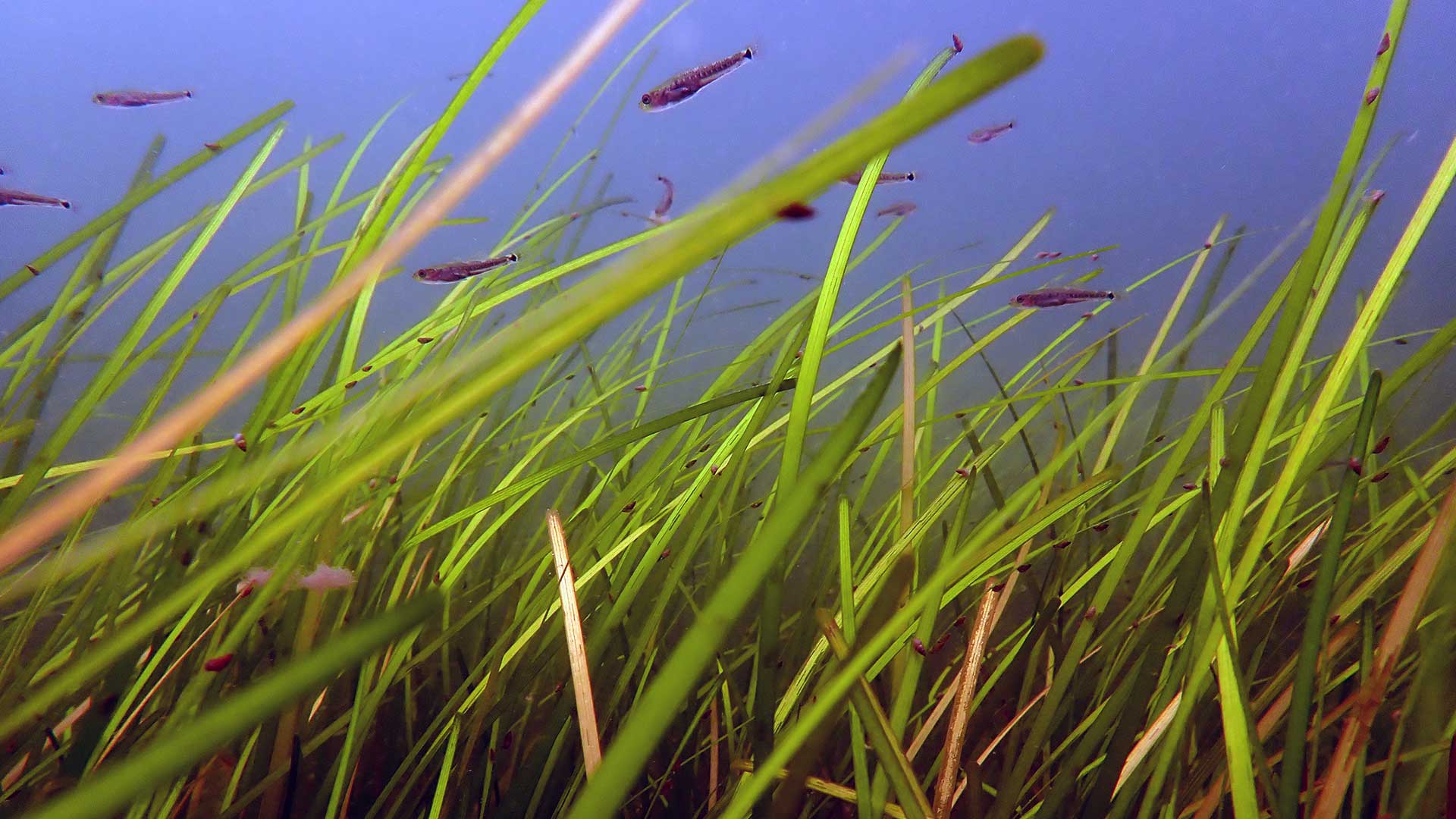
MPAs that focus on one feature or species and aim to manage one human activity can have unintended consequences for overall risks to biodiversity conservation.
The marine and coastal restoration policy brief presents a roadmap for implementing marine restoration under the EU Nature Restoration Regulation and suggests practical approaches to help national authorities prioritise restoration measures, strengthen monitoring programmes and coordinate action across sectors.
A major research contribution comes from MPA4Sustainability, the project which focuses on strengthening the management of Marine Protected Areas (MPAs) and improving Marine Spatial Planning (MSP).
“As we look to maximise the use of our Natura2000 network of marine protected areas, MPAs, to achieve our Nature Restoration ambitions, it is important to ensure that we focus on an integrated understanding of biodiversity when managing human activities in these areas,” says David Lusseau and explanes:
“MPAs that focus on one feature or species and aim to manage one human activity can have unintended consequences for overall risks to biodiversity conservation.”
“That is because preventing one activity can lead to the increase of others which locally might be as if not more damaging to biodiversity overall. We developed a tool that can help start discussion about how to best reduce biodiversity risks in existing MPAs to take an ecosystem-based management of biodiversity.”
Among other outcomes, the project developed methods for analysing biodiversity risks across thousands of protected marine areas and assessing how different human activities affect ecosystem recovery.
The greatest ecological impact while balancing societal needs
The research in MPA4Sustainability is directly relevant to Denmark's ambitions to restore marine biodiversity and manage growing demands on ocean space from fisheries, shipping, offshore energy and conservation.
Effective restoration depends on identifying where action will have the greatest ecological impact while balancing societal needs.
The brief also highlights the importance of better monitoring. MPA4Sustainability demonstrated how environmental DNA (eDNA) can complement traditional biodiversity surveys and help track ecological changes across large marine areas.
Such approaches could strengthen the evidence base for future restoration projects and support adaptive management as conditions change.
Another key recommendation concerns coordination.
Research carried out in the Øresund region showed how differences in management approaches and legislation can complicate restoration efforts in shared marine ecosystems.
The authors therefore call for stronger cooperation between authorities responsible for fisheries, biodiversity conservation and marine spatial planning.
Marine and Coastal Ecosystem Restoration Policy Brief is one of eight Biodiversa+
As European countries move from planning to implementation, David Lusseau sees a clear opportunity to put scientific knowledge into practice:
"The research community has generated valuable knowledge about what works in marine restoration. The challenge now is ensuring that this knowledge becomes part of the decisions that shape the future of our seas."
The Marine and Coastal Ecosystem Restoration Policy Brief is one of eight Biodiversa+ briefs launched to support implementation of the EU Nature Restoration Regulation across Europe: four ecosystem roadmaps that provide phased implementation guidance for specific habitat types, and four enabling conditions briefs that address the requirements that must be in place for restoration to succeed at scale.
Find them at the Biodiversa+ homepage Nature Restoration Guidance – Biodiversa +
Contact
David Lusseau Professor National Institute of Aquatic Resources Mobile: +45 93511903 davlu@aqua.dtu.dk