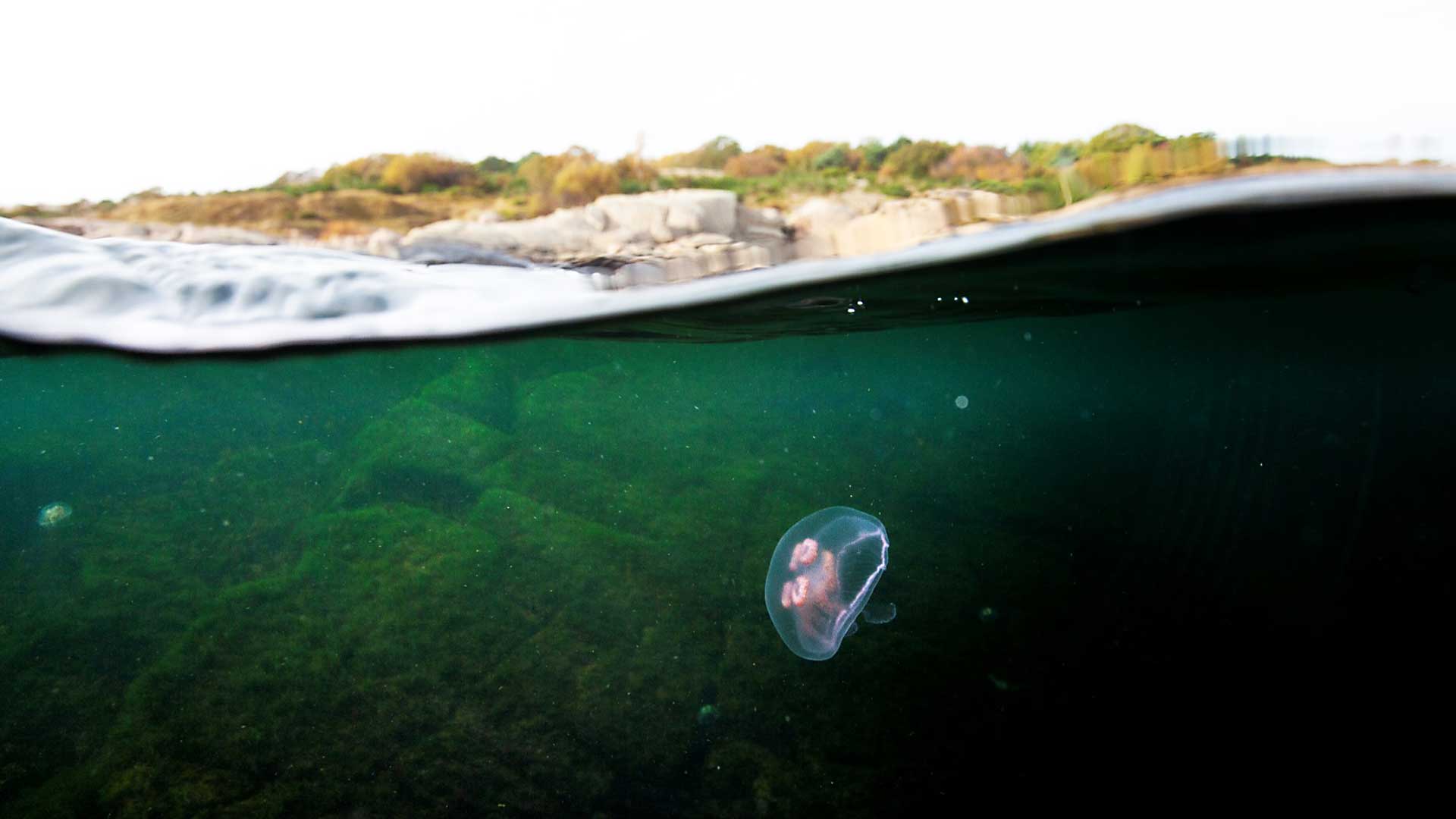
Across the nine participating islands, partners will test different approaches to marine and freshwater restoration. While Bornholm focuses on strengthening fish habitats, other demonstrations range from restoring oyster reefs in Orkney and coastal wetlands on Gotland to reducing plastic pollution in Santorini and developing sustainable aquaculture solutions in the Canary Islands.
Support of Living Labs for the Island communities
A central idea behind the project is that island communities are particularly well suited to pioneer solutions that can later be replicated elsewhere. Each island will establish a so-called Living Lab, bringing together local authorities, businesses, researchers, fishers and citizens to shape restoration efforts and develop long-term plans for healthier seas and waters.
According to the project coordinator at PLOCAN, the long-term ambition extends far beyond the individual demonstrations.
“The long-term goal and impact of Isla Bonita is to help solve Europe’s ocean problems and achieve the Mission Ocean 2030 goals, by reducing marine pollution and restoring marine biodiversity, while strengthening Europe’s blue economy,” Gordon Dalton, project coordinator, said at the project launch in La Palma.
Together, they will help create conditions that improve survival and growth for young fish during vulnerable life stages, while also restoring important spawning habitats and monitoring the region with advanced technology and autonomous solutions.
Researchers Jon C. Svendsen and Patrizio Mariani from DTU Aqua are coordinating the Bornholm demonstration case, while Einar Nielsen will contribute with eDNA monitoring activities across several Islands in the project. The Observation Technology group at DTU Aqua will also support coastal digitalization across several islands, using autonomous vehicles equipped with LiDAR and sonar.
The future goal of Isla Bonita
Beyond the practical restoration measures, the project is designed to leave a lasting legacy. The partners will develop roadmaps and financing plans for both participating and replication islands, while monitoring data and lessons learned will be shared openly to support future marine restoration initiatives across Europe. The project aims for its restoration toolbox to be used by at least 18 islands by 2030.
With planning now underway, the first months will focus on establishing local Living Labs, collecting baseline environmental data and securing permits before restoration activities begin in the field.