Scientific cruise
Havfisken on a survey in the Kattegat and Baltic Sea
The research vessel Havfisken is collecting data on fish stocks in the inner Danish waters.
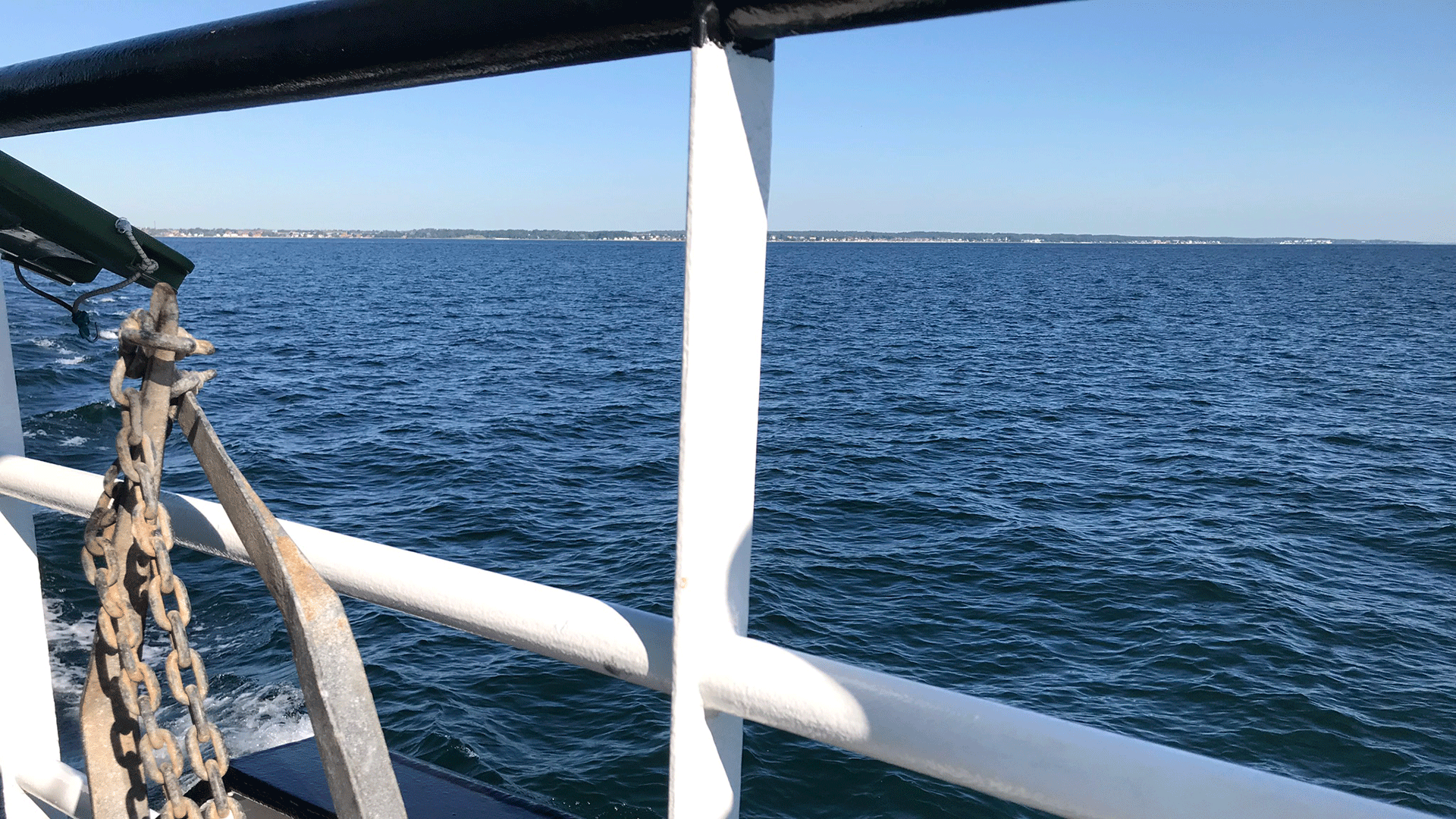
From 11 to 28 February 2026, Havfisken will conduct a survey in the Kattegat, Øresund, and the western Baltic Sea. This is part of the so-called BITS/KASU survey, which stands for 'Baltic International Trawl Survey' and 'Kattegat Survey'. The survey is carried out twice a year, in the first and fourth quarters.
What data is collected?
The purpose of the survey is to map the distribution of fish stocks in the Kattegat, Øresund, Great Belt, Little Belt, and the western Baltic Sea.
Data is collected through survey trawling using a smaller net with finer meshes than those used by commercial trawlers, as DTU Aqua is investigating the presence of incoming year classes (the youngest fish). In recent years, DTU Aqua has experimented with reducing the trawling time at each station from 30 to 15 minutes to minimize seabed impact and reduce the number of fish caught.
Sampling stations are randomly selected and internationally coordinated, allowing results to be compared with data from countries such as Poland, Sweden, and Germany, which also participate in the survey.
All fish species are registered, and their lengths are measured. Samples are also weighed, and biological analyses are conducted to determine age and sex.
Additionally, hydrographic data is collected, including oxygen levels and temperature, which help explain the distribution of fish stocks.
Furthermore, DTU Aqua collects information on marine litter observed during the cruise, contributing to knowledge about waste in the sea.
How is the data used?
DTU Aqua uses the data from the survey, together with data from other countries, to assess the status of fish stocks. Currently, data on cod, plaice, flounder, dab, turbot, brill, and whiting are used directly in stock assessments, although all data is recorded and submitted to the International Council for the Exploration of the Sea (ICES).
Data from the western Baltic Sea also contributes to ICES’ assessment of fish stocks in the area and complements the data collected by the research vessel Dana during its part of the Baltic International Trawl Survey (BITS).
The data forms the basis for the biological advice used by authorities when setting fishing quotas and other regulations.
Where is Havfisken now?
About Havfisken
Havfisken is used for research and monitoring in inner Danish waters as well as education.
Survey reports
Main results from BITS surveys are available in reports from DTU Aqua.
Contact
Marie Storr-Paulsen Head of Section National Institute of Aquatic Resources Mobile: +45 30504210 msp@aqua.dtu.dk